Germany remains one of Europe’s strongest magnets for international IT professionals. Its economy is digitalizing across all industries, and companies are hiring in software development, AI, cybersecurity, cloud engineering and data science. According to the digital association Bitkom, around 79,000 IT positions were unfilled in Germany in 2026 – fewer than at the peak in 2023, but still a clear sign that skilled people are needed. (How the market has changed and how to apply successfully is covered in our guide on how to get an IT job in Germany.)
But Germany is not a uniform market. Each region has its own strengths, industry clusters, salary levels and work cultures. Understanding these differences helps you choose the location that best fits your career goals – and your budget.
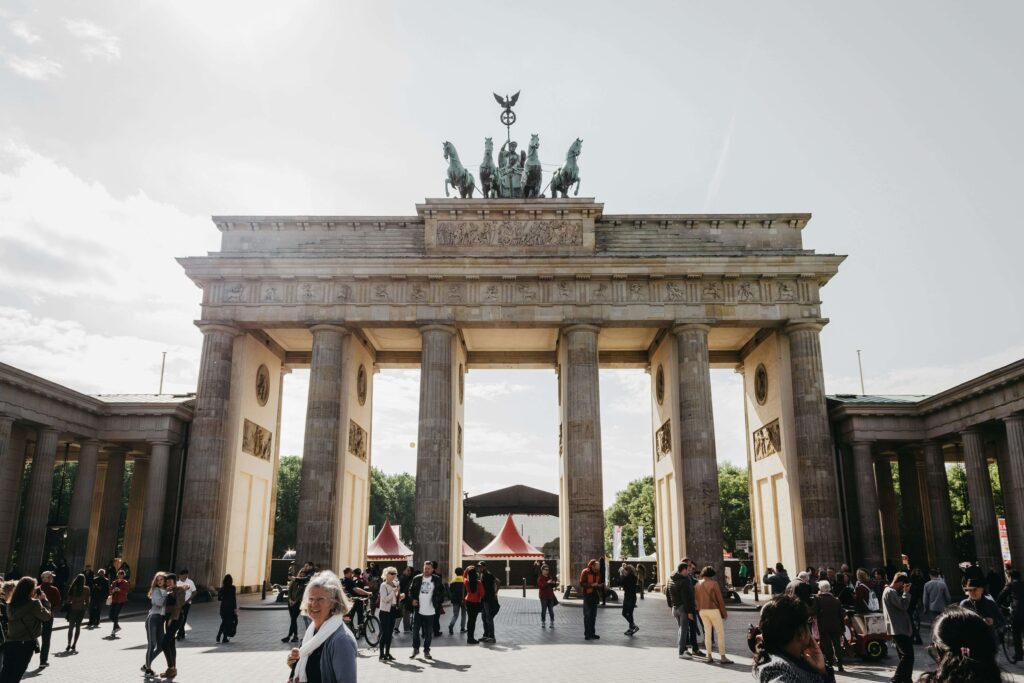
Berlin – The Creative Tech Capital
Berlin is Germany’s most internationally recognized tech hub. Known for its vibrant startup ecosystem, the city attracts founders, developers and digital creatives from all over the world.
Key characteristics:
- Strong startup and scale-up scene
- High demand for software engineers, product managers, DevOps and AI specialists
- Competitive salaries, especially at well-funded scale-ups and international tech companies
- English-friendly work environment – many teams work entirely in English
Berlin is ideal for IT professionals who enjoy fast-moving environments, innovation and multicultural teams. Keep in mind that the housing market is tight, so plan your apartment search early.
Munich – The High-Tech Powerhouse
Munich is home to global corporations, research institutions and some of Europe’s most advanced engineering companies. It is particularly strong in automotive tech, AI, robotics and enterprise software.
Key characteristics:
- Headquarters of BMW, Siemens, Allianz and many global tech players
- Some of the highest IT salaries in Germany and strong job security
- Strong demand for cloud engineers, embedded developers and cybersecurity experts
- The highest cost of living and rents of all major German cities
Munich is a great fit for IT experts seeking stability, corporate environments and cutting-edge industrial innovation. Just make sure your salary offer reflects the high living costs.
Hamburg – Digital Commerce and Media
Hamburg combines a strong media landscape with a growing digital commerce sector.
Key characteristics:
- Home to major e-commerce and logistics companies
- Strong demand for full-stack developers, data analysts and UX/UI designers
- Attractive for professionals interested in digital media, maritime tech and logistics tech
Hamburg offers a balanced lifestyle and a strong international community. Living costs are above the German average, though usually below Munich.
Frankfurt and the Rhine-Main Region – Finance and Cloud Infrastructure
Frankfurt is Germany’s financial capital and one of Europe’s most important data hubs.
Key characteristics:
- High demand for cybersecurity, cloud architecture and fintech development
- Presence of major banks, cloud providers and data centers
- Strong salaries and stable employment
This region is ideal for IT professionals interested in fintech, enterprise cloud and high-security environments.
Stuttgart and Baden-Württemberg – Automotive and Industry 4.0
The southwest of Germany is the heart of the automotive industry and a global leader in industrial automation.
Key characteristics:
- Home to Mercedes-Benz, Porsche, Bosch and many suppliers
- High demand for embedded systems engineers, AI specialists and robotics developers
- Strong salaries and excellent career stability
This region is perfect for engineers who want to work on the future of mobility and smart manufacturing. German skills are often more important here than in Berlin.
Eastern Germany – Emerging Tech Regions with Lower Competition
Cities like Leipzig, Dresden and Jena are becoming increasingly attractive thanks to lower living costs and growing tech clusters.
Key characteristics:
- Strong semiconductor and photonics industries (especially Dresden)
- Growing startup ecosystems
- Lower competition for jobs compared to the major hubs
- Noticeably lower rents than in Munich, Hamburg or Berlin
These regions are ideal for professionals seeking growth opportunities in developing tech markets – and a salary that goes further.
Which Region Is Right for You?
| Region | Best for | Cost of living |
|---|---|---|
| Berlin | Startups, English-speaking teams | High |
| Munich | Corporations, automotive, AI | Very high |
| Hamburg | E-commerce, media, logistics | High |
| Frankfurt / Rhine-Main | Fintech, cloud, security | High |
| Stuttgart / Baden-Württemberg | Automotive, embedded, Industry 4.0 | High |
| Leipzig, Dresden, Jena | Semiconductors, growing tech scenes | Moderate |
Conclusion
Germany’s IT job market is not only large – it is regionally diverse. Whether you prefer the creative energy of Berlin, the corporate strength of Munich, the financial power of Frankfurt or the industrial innovation of Stuttgart, each region offers its own advantages.
For international IT professionals, this means one thing: Germany provides multiple pathways to build a successful and future-proof tech career.
Our advice: compare salary offers together with local rents, not in isolation. And once you have chosen your city, the next steps are the EU Blue Card – or the Opportunity Card if you want to search on site – and your first 30 days in Germany.
Last updated: November 2026. Market figure based on the Bitkom study “Arbeitsmarkt für IT-Fachkräfte 2026”.
Leave a Reply